These two get compared constantly and the comparison is usually wrong, because it's a comparison of quality when it should be a comparison of cost per usable second.
A model that lands ten shots out of twelve at 2.4 credits a second and a model that lands eight out of twelve at 1.5 credits a second are not competing on the same axis. One is selling you certainty; the other is selling you attempts. Which one you want depends on whether you already know what the shot is.
The numbers
Same twelve camera prompts as the Veo 3.1 benchmark, three renders each, scored blind. "Landed" means both scorers agreed the camera did what the prompt asked for the full eight seconds.
| Model | Max length | Credits / s | Landed | Cost per landed shot |
|---|---|---|---|---|
| Kling 3.0 Pro | 10s | 2.4 | 10 / 12 | 23 |
| Wan 3.0 Prime | 8s | 1.5 | 8 / 12 | 18 |
Cost per landed shot is the number to look at. It already includes the retries — the credits you spend on renders that miss — so it's what a usable eight seconds actually costs you on average.
Where Kling wins
Motion control. If you give Kling a reference clip for the camera path, it follows it with a fidelity Wan doesn't attempt. For the two crane prompts, Kling landed six of six with a reference and four of six without; Wan landed three of six either way.
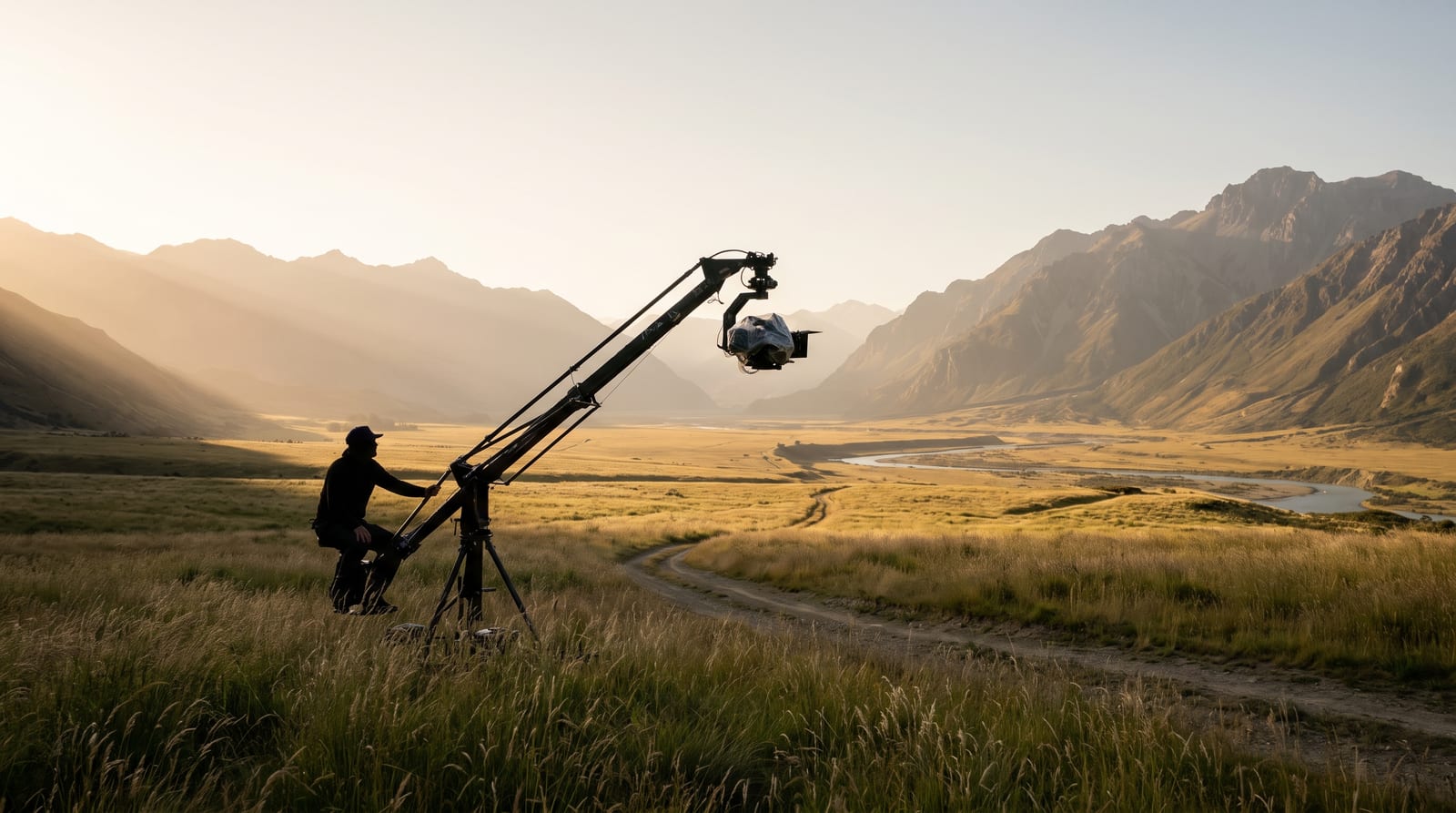
Camera rises slowly from ground level until the whole valley is visible, golden hour, no people
Kling also holds subject identity longer in image-to-video. Faces start to drift around four seconds on Kling and closer to two and a half on Wan, which matters if there's a person in the shot and doesn't if there isn't.
Where Wan wins
Iteration. At 1.5 credits a second you can afford to be wrong. Our working pattern for a shot we haven't figured out yet is three or four Wan renders with different phrasings, pick the direction that's working, then one Kling render of the final prompt if the shot needs motion control.
Wan is also faster to return — 61 seconds median against Kling's 94 for an eight-second clip — which changes how many ideas you try in an hour more than the credit price does.
Wan for iteration, Kling for the shot you'll render twice. If you know what you want, Kling's motion control gets you there with fewer retries and the higher per-second price stops mattering. If you're still finding the shot, Wan is cheap enough to be wrong on.
What we'd change in Studio
The Arena already runs the same prompt on both side by side. The thing we're adding next is a cost-per-landed-shot column, so the number above updates from your own renders instead of ours.