Google shipped Veo 3.1 with the usual language — "improved motion coherence", "better prompt adherence" — and the usual absence of anything you could measure. So we measured it. Same twelve prompts, same seeds where the API allows it, three renders each on 3.0 and 3.1, scored blind by two of us on whether the camera did what the prompt asked.
The short version: 3.1 is a meaningfully better model for anything involving a moving camera, and a slightly worse one for hand-held. The long version is below, with the prompts, so you can check our work.
The test set
Twelve prompts, chosen to isolate one camera behaviour each. Four orbits at different speeds, three dollies, two crane moves, two static-camera-moving-subject shots, and one deliberately hand-held. All 8 seconds, all 16:9, all with the same three-word lighting suffix so the model wasn't spending capacity on mood.
| Move | Prompts | 3.0 landed | 3.1 landed | Change |
|---|---|---|---|---|
| Orbit | 4 | 5 / 12 | 11 / 12 | +6 |
| Dolly | 3 | 6 / 9 | 8 / 9 | +2 |
| Crane | 2 | 2 / 6 | 5 / 6 | +3 |
| Static, subject moves | 2 | 6 / 6 | 6 / 6 | 0 |
| Hand-held | 1 | 3 / 3 | 1 / 3 | −2 |
"Landed" means both scorers agreed the camera did the thing described, without drifting into a different move partway through. It's a harsh bar — a beautiful render that starts as an orbit and settles into a slow push-in counts as a miss.
Orbits: the headline improvement
On 3.0, orbit prompts were a coin flip. The model understood "orbit" as "the camera should be moving, in a curved sort of way" and would frequently reverse direction at the four-second mark or collapse into a pan. On 3.1, eleven of twelve renders completed a clean partial orbit in the direction we asked, and the twelfth was a near miss rather than a different shot.
The prompt that improved the most was also the plainest one:
A red kite over a foggy harbour at dawn, slow drone orbit clockwise, soft light
Note "clockwise". On 3.0 the direction word was ignored roughly half the time. On 3.1 it was honoured in every render. If you've been avoiding direction words because they seemed to confuse the model, stop — they now do exactly what they say.

Hand-held got worse, and we think we know why
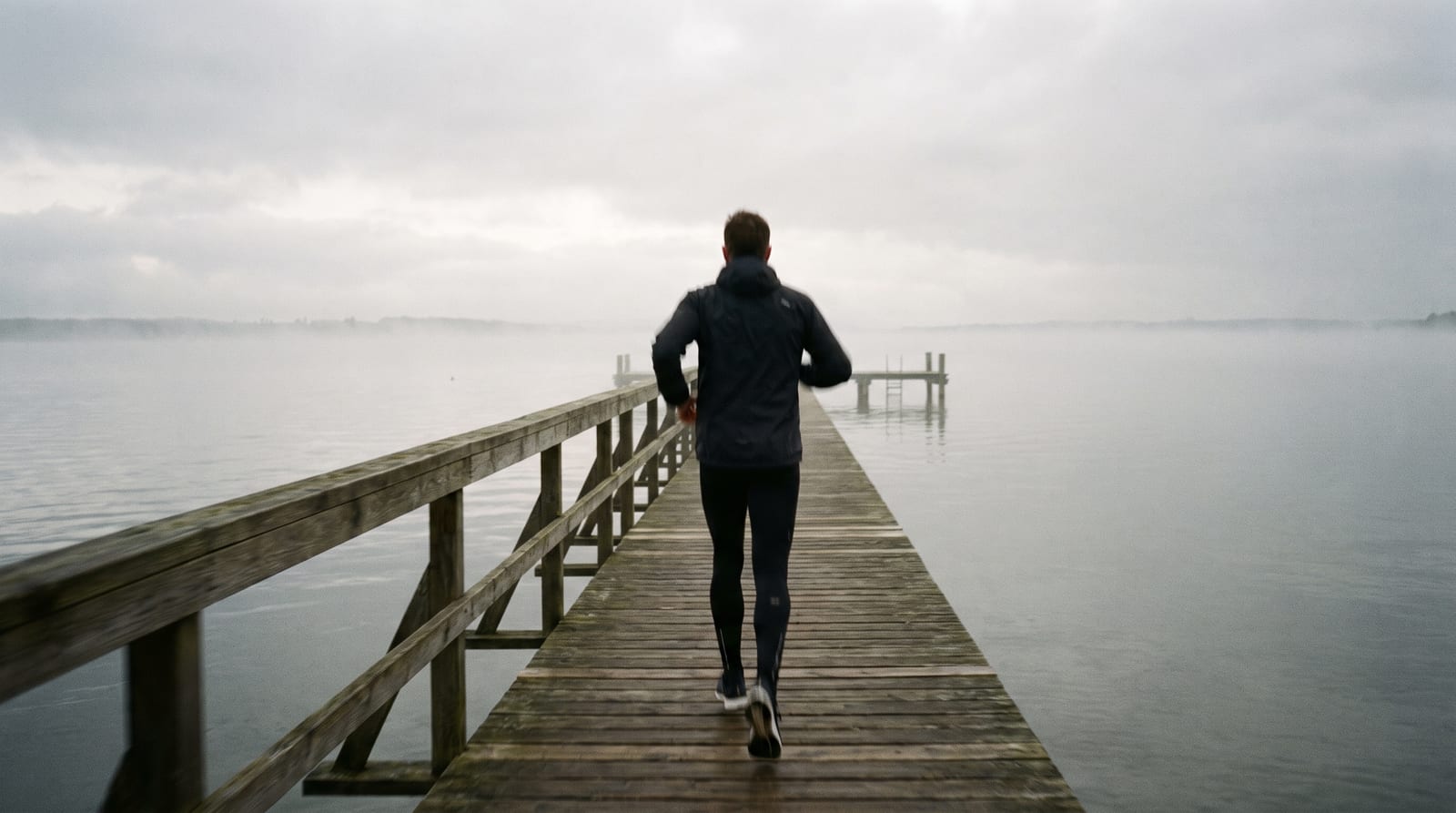
The one regression is real. Our hand-held prompt ("hand-held, slight natural shake, following a runner along a pier") produced convincingly organic camera movement on 3.0. On 3.1, two of three renders were noticeably too smooth — a stabilised gimbal shot with a sinusoidal wobble laid over it. It reads as synthetic in a way the 3.0 output didn't.
The model got better at doing what you ask and worse at doing what you mean. For hand-held, those are different things.
Our guess is that whatever training pushed motion coherence up also pushed the model away from the small, irregular accelerations that make hand-held feel hand-held. It's tunable in post — we got acceptable results by asking for a static shot and adding shake in the editor — but it's a real loss if you were relying on the model for it.
If you have hand-held shots in a saved storyboard that rendered well on 3.0, don't batch-regenerate them on 3.1 without checking one first. Studio keeps the previous model available for exactly this reason.
What this means for how you prompt
Three concrete changes to make today:
- Use direction words. Clockwise, left-to-right, rising, descending. They were noise on 3.0. They are instructions on 3.1.
- Drop the belt-and-braces phrasing. "Slow smooth steady orbit" was a 3.0 habit — piling on adjectives to nudge a reluctant model. On 3.1 "slow orbit" does the job and the extra words occasionally introduce a speed change.
- Add shake in the edit, not the prompt. Until Google addresses it, ask for a locked-off or gimbal shot and add hand-held texture in the editor.
The full prompt set is in the CLI as a benchmark you can run against any model:
# runs all twelve camera prompts, three seeds each
$ ag bench camera --models veo-3.1,veo-3 --seeds 3 --out ./camera-bench
# ~34 min, 216 credits
Two scorers, blind to model, disagreements resolved by a third render. Scores and prompts are published in full so the benchmark is reproducible. We'll re-run it on every Veo release and update this post rather than write a new one — check the date in the header.